About Red Cross
The International Red Cross and Red Crescent Movement is the largest humanitarian network in the world. Its core mission is simple: to prevent and alleviate human suffering wherever it may be found, entirely without discrimination.
The Birth of the Movement
In 1859, a Swiss businessman named Henry Dunant witnessed the aftermath of the Battle of Solferino in Italy wherein over 40,000 wounded and dying soldiers were left completely abandoned due to a lack of medical services. Dunant organized local civilians to provide neutral, immediate aid to the wounded, regardless of which side they fought for. This directly led to the founding of the movement in Geneva in 1863, followed closely by the adoption of the first Geneva Convention in 1864—laying the groundwork for modern international humanitarian law.
The Three Components
The Red Cross is not a single, giant charity. Instead, it operates as a network made up of three distinct, independent components that work together:
- International Committee of the Red Cross (ICRC): The global umbrella organization that coordinates and supports the work of local societies. Natural disasters & health crises: Spearheads large-scale disaster response (like earthquakes, floods, or epidemics) and handles long-term community development.
- International Federation of Red Cross and Red Crescent Societies (IFRC): Coordinates international relief efforts and supports national societies.
- National Societies: The local chapters operating inside nearly every individual country, e.g., the Indian Red Cross, American Red Cross, British Red Cross, they act as auxiliaries to their domestic public authorities, managing local blood banks, running first-aid training, and responding to community emergencies.
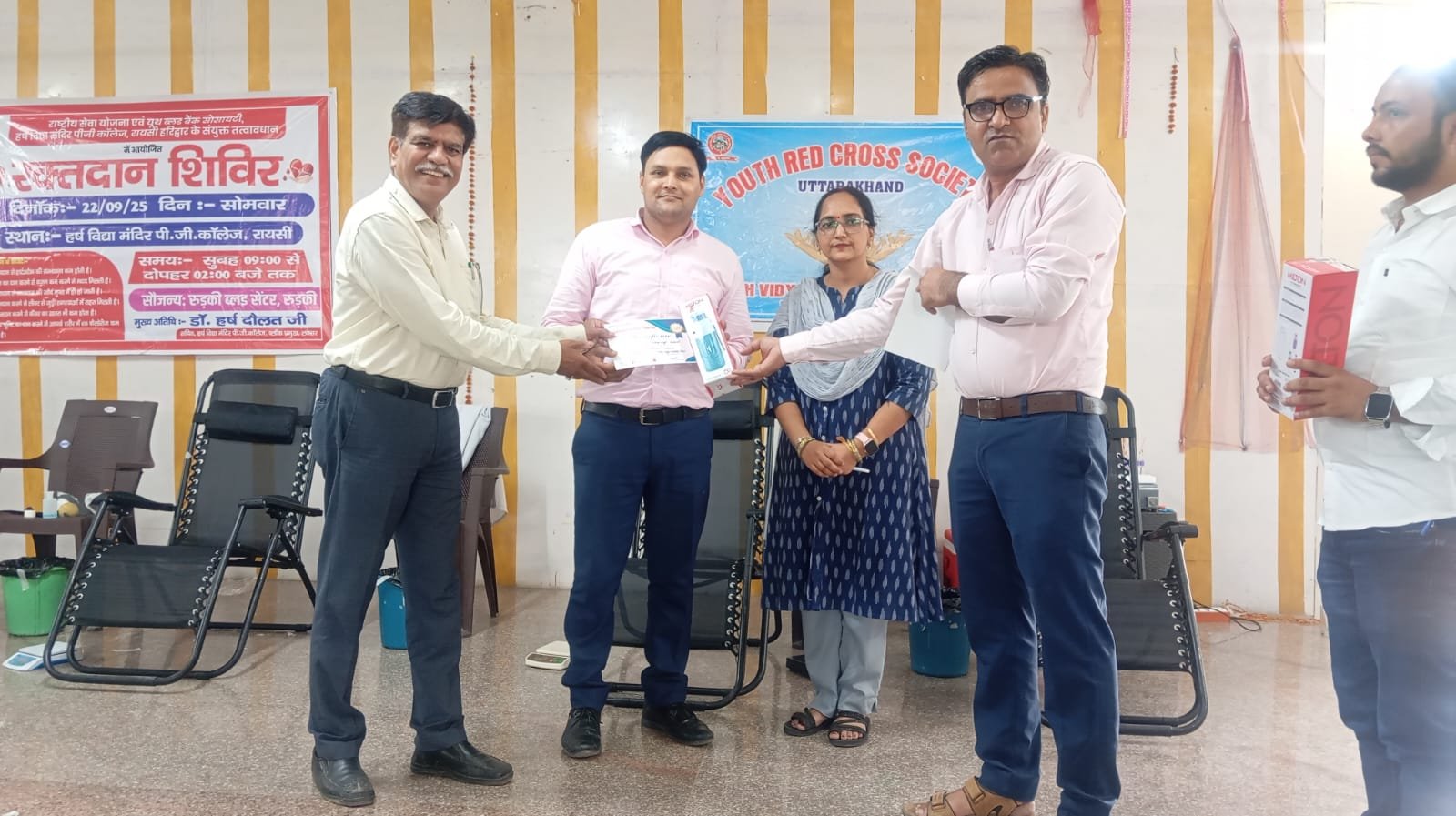
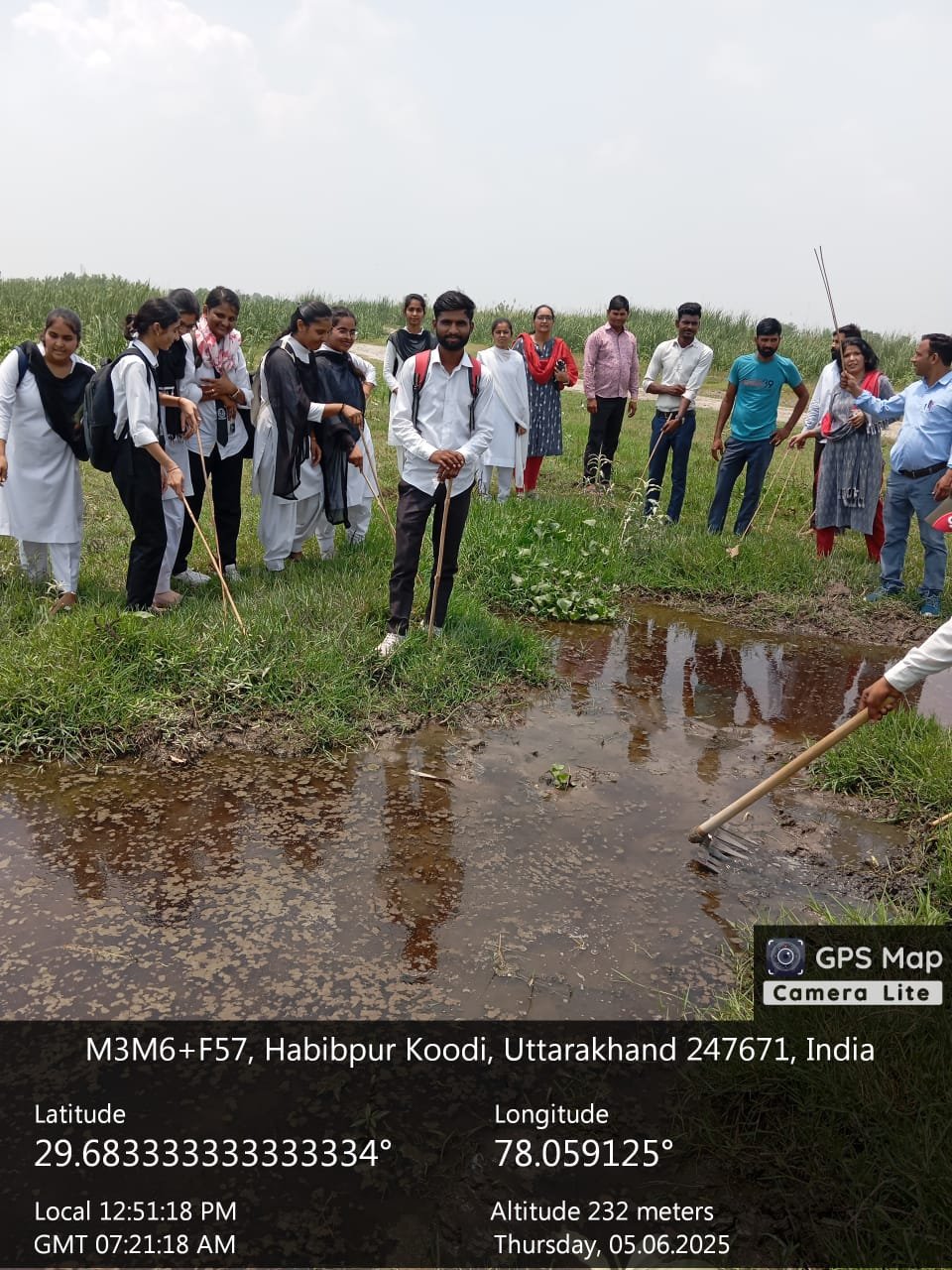
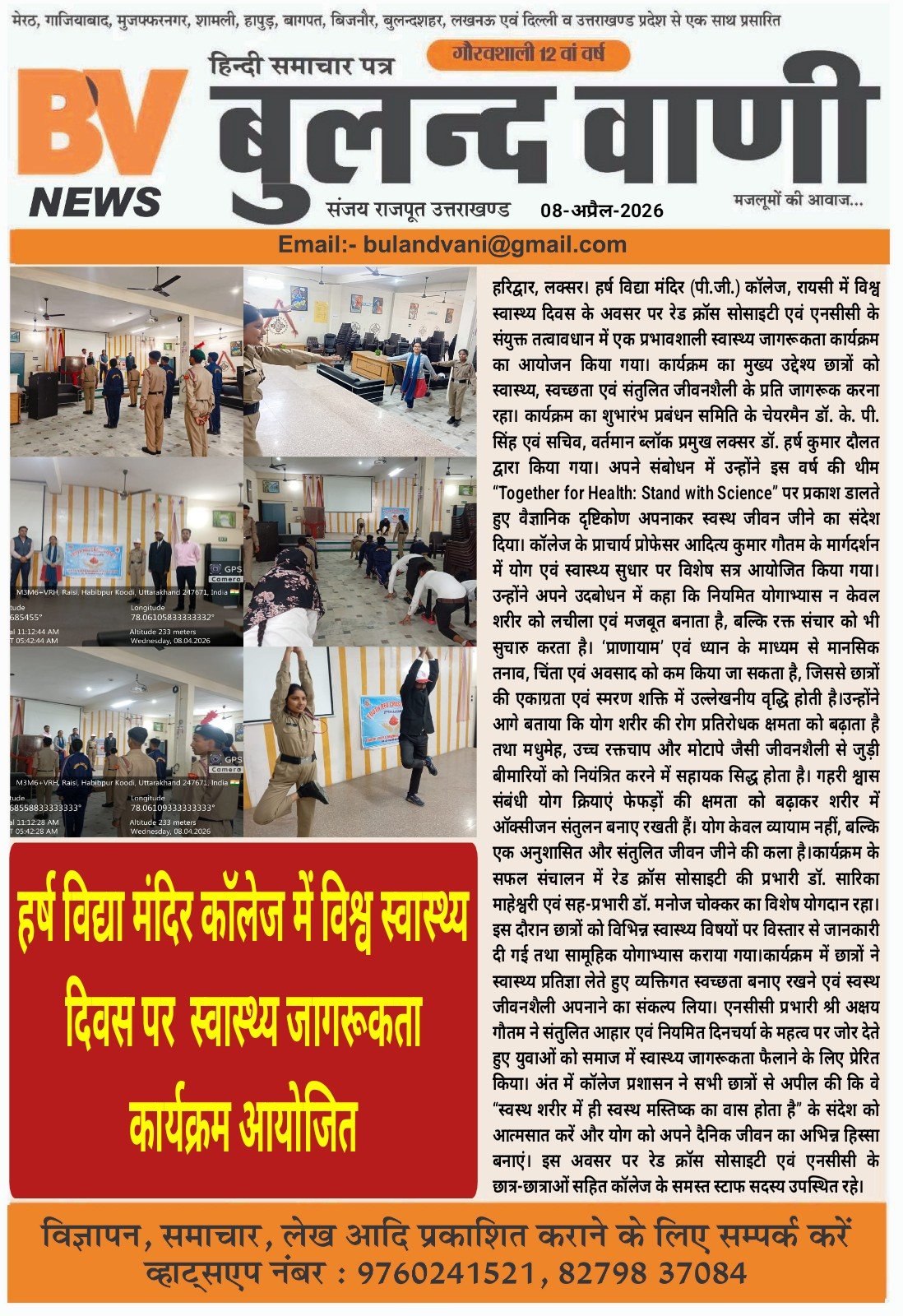
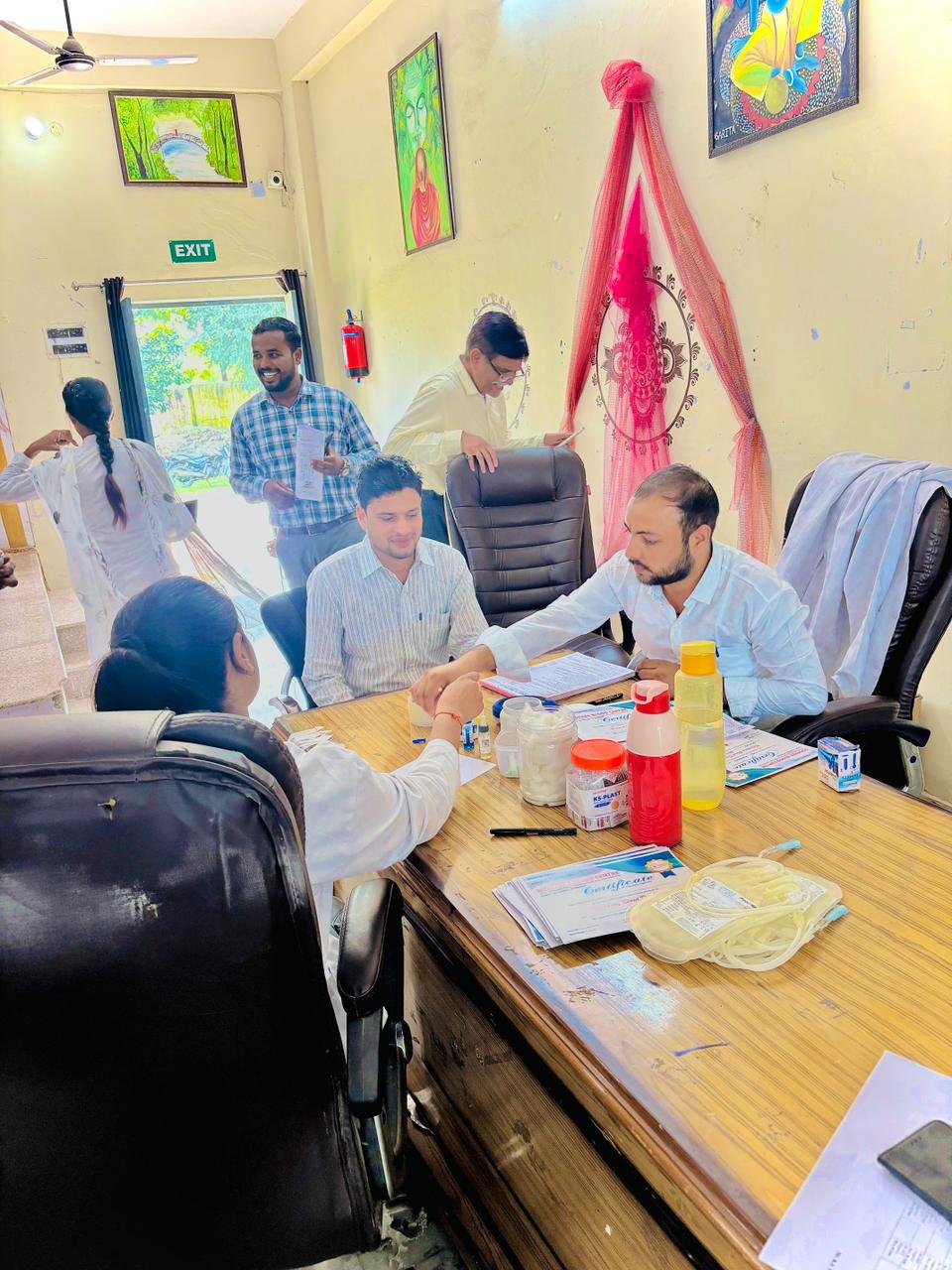
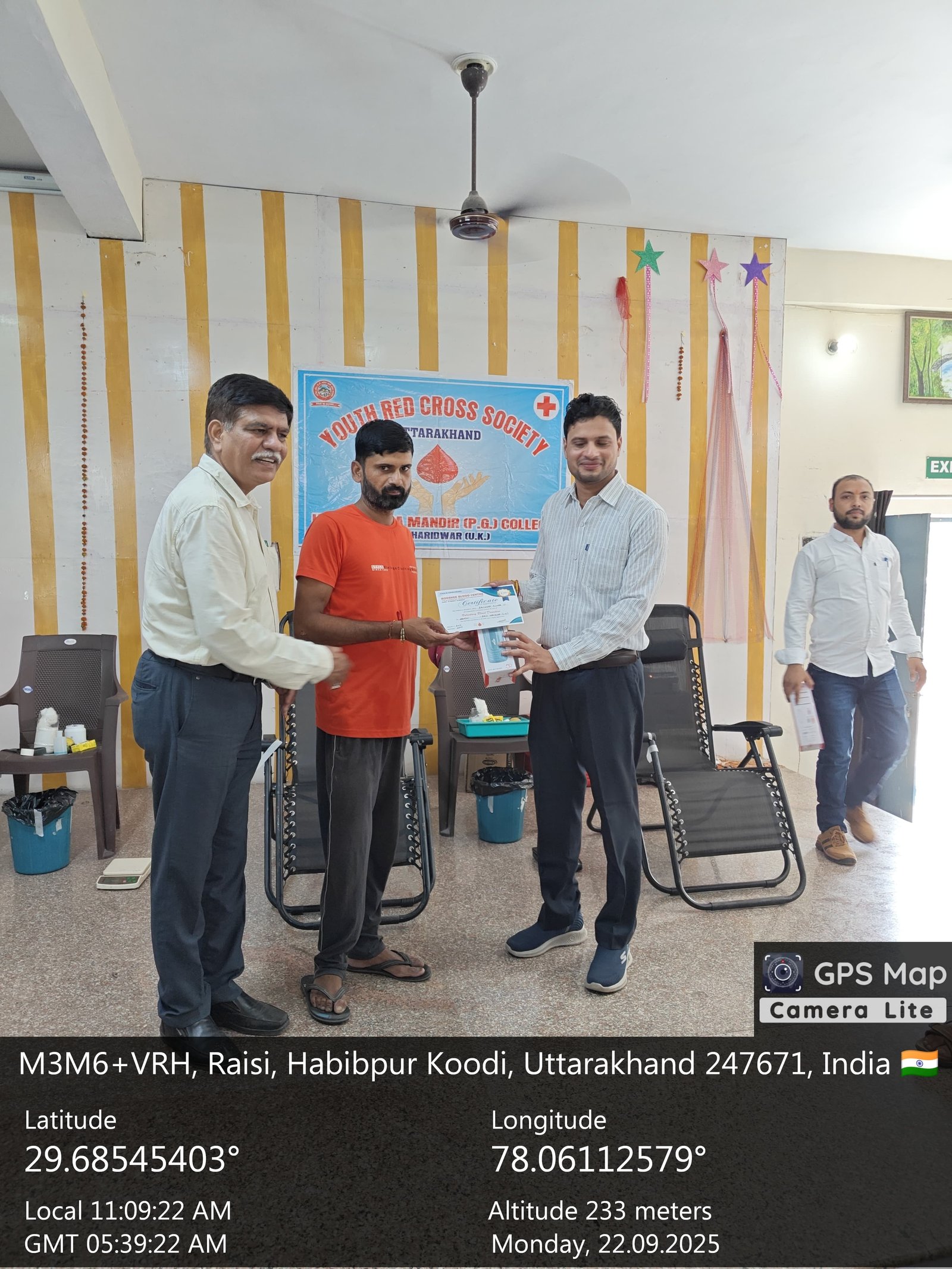
Harsh Vidya Mandir P.G. College has a unit of Red Cross for its students who participate in various activities under it.
The Seven Fundamental Principles
No matter where a volunteer or staff member is in the world, every single action they take is guided by seven strict principles adopted in 1965:
Humanity
Impartiality
Neutrality
Independence
Voluntary Service
Unity
Universality
- Humanity: To prevent and alleviate suffering and protect life, health, and human dignity.
- Impartiality: Providing aid based solely on need. It makes no distinction based on nationality, race, religion, class, or political opinions.
- Neutrality: To keep everyone's trust, the movement never takes sides in armed hostilities or engages in political, religious, or ideological controversies.
- Independence: While national societies work alongside their governments, they must always maintain their autonomy so they can follow Red Cross principles at all times.
- Voluntary Service: It is a relief movement entirely driven by a desire to help, not by financial gain.
- Unity: There can only be one Red Cross or Red Crescent society in any given country, and it must be open to everyone.
- Universality: All national societies across the globe have equal status and share equal responsibilities in helping each other.
Symbols of the Movement
There are different symbols depending on where it is used:
✚ Red Cross
☪ Red Crescent
◇ Red Crystal
- Red Cross on a white background is the original emblem.
- Red Crescent was adopted later to ensure trust and a sense of neutrality in Muslim countries.
- Red Crystal is also used as a completely religion-neutral option.
All of these symbols are strictly protected under international law to identify medical personnel and humanitarian workers in conflict zones.
Red Cross Activities at the College
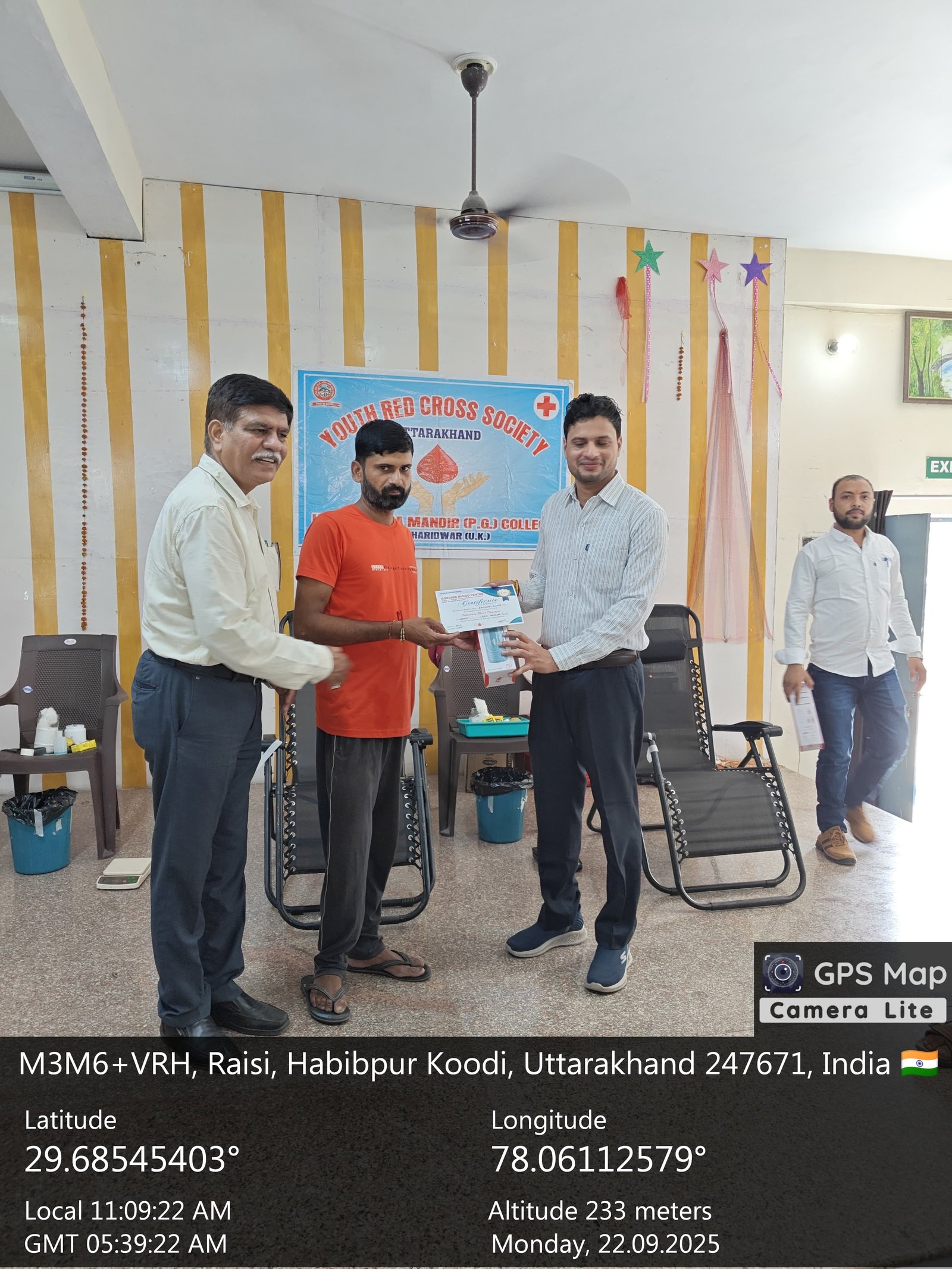
The Red Cross unit at Harsh Vidya Mandir P.G. College organizes various activities for students:
Regular Activities
- Blood donation camps
- First aid training and certification
- Health awareness camps
- Disaster preparedness workshops
- Community service initiatives
Special Campaigns
- World Red Cross Day celebrations (May 8)
- Health checkup camps
- Organ donation awareness drives
- COVID-19 awareness and vaccination drives
- Swachh Bharat Abhiyan participation
Students who participate in Red Cross activities develop valuable life skills, gain humanitarian awareness, and contribute meaningfully to society.
"To prevent and alleviate human suffering wherever it may be found"
.jpeg)
.jpeg)
.jpeg)
.jpeg)
.jpeg)
.jpeg)
.jpeg)
.jpeg)
.jpeg)
.jpeg)
.jpeg)